
On Being Bossy
Why Being Called Bossy Was Never the Real Problem

Note from Deb: I am traveling on Spring Break this week and my sister graciously agreed to step in and write a guest post. My mom always had a nickname for her “little boss” and it was quite fitting. Caroline writes about being bossy and how she learned to use it to navigate her world.
When I wrote my first post for Deb's blog, I told you I was the behind-the-scenes one. The sister who didn't need the spotlight. The one who shows up quietly and makes things work. What I didn't tell you was how I got there.
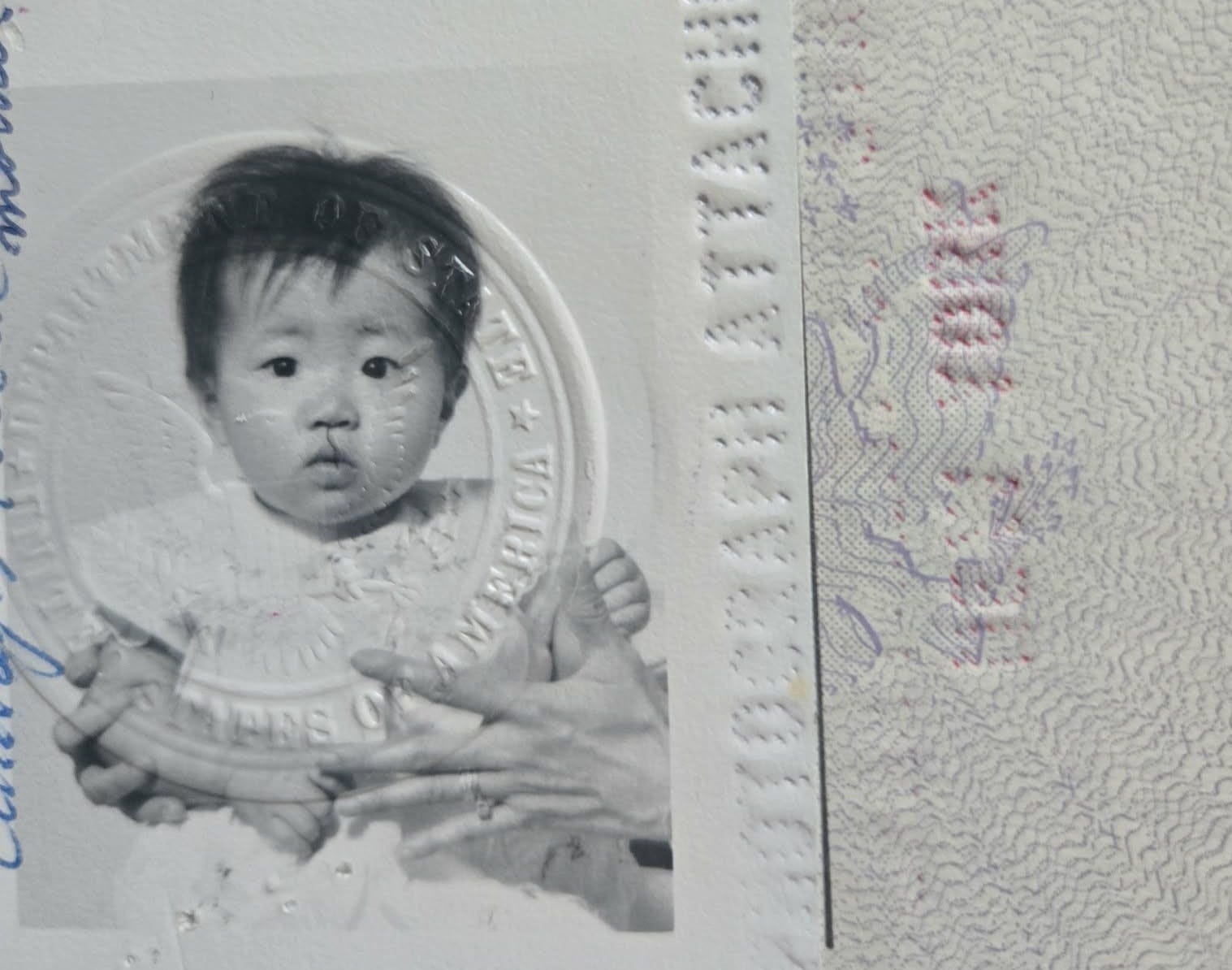
It wasn’t temperament. It wasn’t some zen-like comfort with invisibility I was born with (do I look bossy in that photo above?). It was a skill. Hard-won, sometimes painful, learned-the-hard-way skill that took me from a middle school snack table to a chemical plant in West Texas to a startup Slack channel where I was apparently deploying insufficient emojis.
I have always been the person who sees what could run better and cannot help herself from fixing it. Growing up, that instinct had a name. Not a kind one. Deb was the driven one, the one who aimed for 100, the one who made everyone feel her presence when she walked into a room. I was the oldest, but she was the one people noticed first.
And I was bossy.
That was the word for me. For a long time, I thought it meant something was wrong with me. It took me three very different rooms and about forty years to understand what it actually meant.
Bossy is a skill. And like any skill, it takes a long time to learn how to use it well. Women are twice as likely to be called bossy at work, even though they aren’t more likely to act that way.
Bossy Without Allies Is Just Exposure
“Caroline, you are so bossy.”
I was in 7th grade. He was in 8th. We were at an after-school art club, running a snack sale, and Patrick (not his real name), who had appointed himself in charge through no process I recognized as legitimate, did not appreciate the way I was organizing the cash box and optimizing our revenue per transaction.
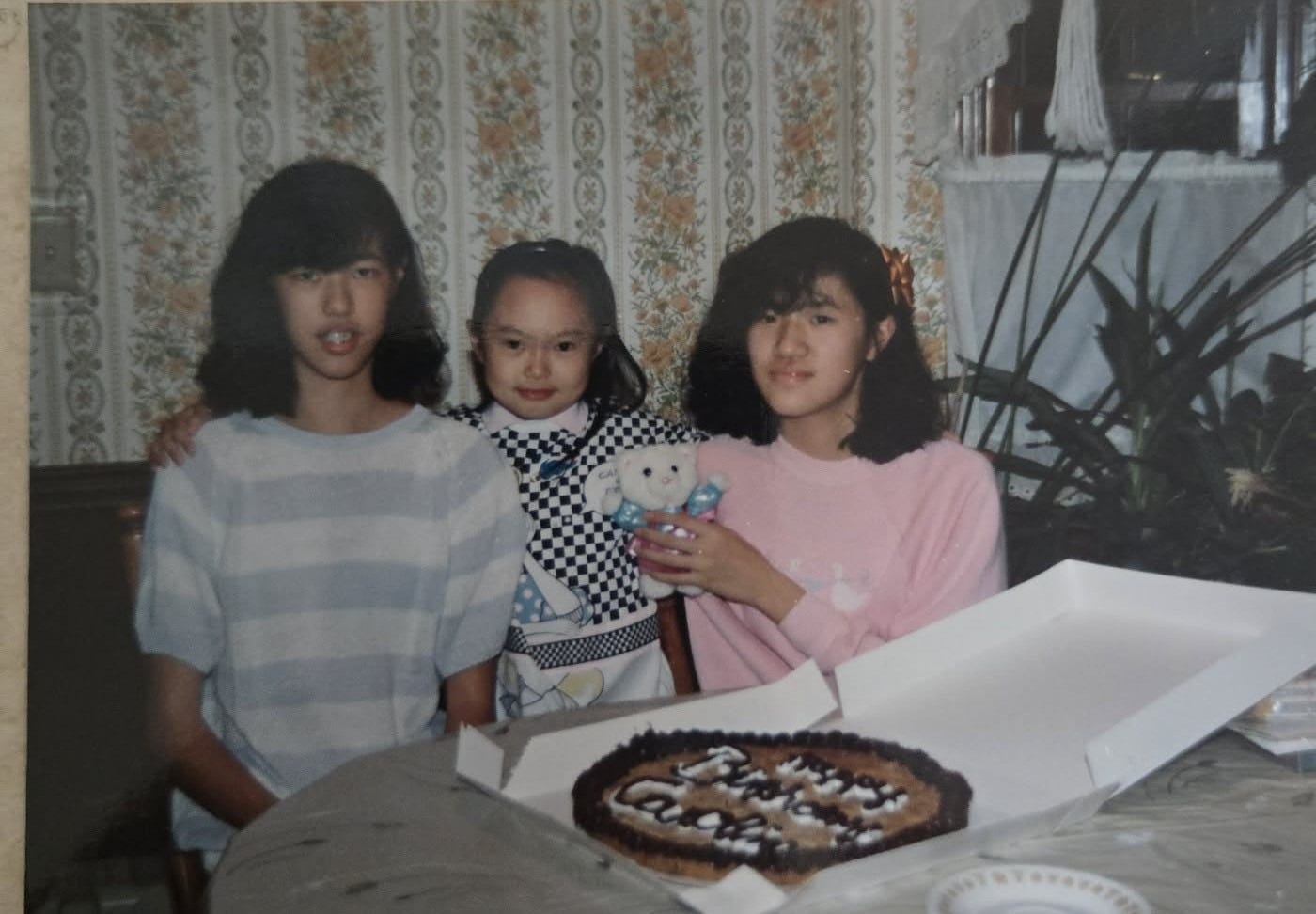
I froze. I had spent my entire young life being good. Straight A’s. Respectful. Quiet when quiet was called for. My parents told me to keep my head down and not make trouble. I had worked so hard to make myself small, to take up exactly the right amount of space (not too much, never too much) and still, somehow, I had ended up here: standing in front of a table of granola bars, chocolate chip cookies and rice crispy treats while a boy twice my size told me exactly what he thought of me.
The part that stung most wasn’t the word. It was the crime I’d committed to earn it. I had noticed something that could be done better. I had done it better. And apparently, that was enough to be a problem for Patrick.
Because boys who take charge are leaders. They’re decisive. They have vision. When Patrick positioned himself as the authority over a middle school bake sale with zero credentials and maximum confidence, nobody blinked. But when I, armed with actual math and a reasonable theory about snack pricing, stepped in and made things run better? That was threatening.
Bossy is the word they use when a girl does what a boy gets praised for. It’s the polite version. The grown-up packaging for an old message: you are too much, get back in your lane. Patrick was in 8th grade and said it without dressing it up. The men in conference rooms I walked into later had learned to be more careful. But the message was identical.
I got that message loud and clear at age eleven. And for a long time, I slid back into the shadows.
What I understand now: Bossy without allies is just exposure. The instinct was right. The execution was isolated. Patrick had the room. I had the cash box and nobody was watching my back. That’s not a bossy problem. That’s a coalition problem. The skill wasn’t wrong. I just hadn’t learned how to use it yet.
Bossy With Strategy Is Power
About a dozen years later, I was a brand new engineer at a chemical plant in West Texas, handed a problem with no obvious solution. We had an anaerobic concrete reactor in the waste treatment unit that needed an internal inspection, but couldn’t be taken offline. It had to keep running while we figured out whether the walls inside were holding up.
So I did what I do. I researched. I cold-called professors who specialized in ultrasonic testing technology, read their papers, tracked down companies working on the problem, and built a case. Then I walked into a room full of Reliability Engineers and proposed a solution.
The response was immediate.
“Caroline, you’re a brand new engineer. We’re not interested in your Star Wars technology.”

The technology worked. It was real, it was tested, and it was exactly the right tool for the job. But I was twenty-something, I was new, and I was in a room full of engineers who were engineers before I was out of diapers. They had been solving problems their way for a very long time.
I’d made the same mistake as the snack table without realizing it. I’d walked in and been right out loud, in front of everyone, all at once. Bossy with no runway. That’s a fast way to lose before you’ve started.
So I adjusted. I found the one engineer who hadn’t crossed his arms, the one who’d asked a question instead of throwing a dismissal. I went back to him one-on-one, without an audience, without anyone’s ego on the line. He got it and once he got it, he became my ally.
Then I brought in an outside expert. Someone with credentials the room couldn’t dismiss, who could say the same thing I’d been saying and be heard differently because of the letters after his name. Was it frustrating? A little. Was it effective? Completely.
The technology was adopted. The reactor got its inspection.
What I understand now: Bossy with strategy is power. This wasn’t less bossy than the snack table. It was bossy at a higher level. I stopped leading with the idea and started building the conditions for the idea to land. The meeting before the meeting is the real meeting. Find your allies before you need them. Brief them privately. Let them arrive already converted. The goal was never to be the hero. The goal was to get the reactor inspected.
Bossy Is Not a Fixed Setting
I spent the next twenty years applying that lesson. Work the room before the meeting. Find your ally. Let the idea travel on someone else’s credibility when it needs to. I got good at it. Good enough that I built it into an identity. The behind-the-scenes one. The woman who makes things run without needing anyone to notice.
I thought I had finally cracked it. Don’t be too loud. Don’t be too much. Make things run and let others take the bow.
And then a startup made a note about my emoji usage and I had to start all over again.
In 2022, after fifteen years of running our family business, I pivoted into helping startups find their footing. What I hadn’t prepared for was this: for the first time in fifteen years, I was not the one in charge.
I walked into organizations built by people half my age, fluent in tools I’d barely heard of. Slack. HubSpot. AI workflows. A communication culture where tone was conveyed not just in words but in punctuation choices and the strategic deployment of emojis.
I didn’t want to get it wrong. So I did the thing I’d spent years learning not to do. I made myself small. I watched. I said little. I was careful in a way that felt deeply unnatural after a decade and a half of being the person everyone looked to for answers.
And then I got feedback that I needed to soften my tone.
With emojis.🫠
I had spent my career learning to project authority in rooms full of skeptics, and now I was being told that a well-placed 🙌 would do more for my credibility than anything I’d learned in fifteen years of running a company.
I laughed. 😂And then I got to work.
I learned the channels: public, private, and threaded replies. I learned that a message without a single emoji could read as cold to someone who’d grown up communicating this way. I learned that being the least digitally fluent person in the room wasn’t a threat to my identity. It was just a new room to figure out.
What I understand now: Bossy is not a fixed setting. It’s a read-the-room skill. The emoji note wasn’t telling me to stop being bossy. It was telling me the room needed me to show up differently. Bossy in a startup looks like warmth, presence, and engagement. I hadn’t lost the instinct. I’d just forgotten to translate it.
Here’s where I’ve landed, forty-something years after a 7th grader tried to put me in my place over a snack table:
Bossy was never the problem. Bossy without self-awareness is the problem. Every room needs someone who sees what’s broken and can’t look away. The skill is learning how that person shows up.
Alone, bossy is vulnerable. With strategy, bossy is powerful. Translated for the room, bossy is influence.
Most women spend their whole lives being told one of two things: you’re too much, or you’re not enough. It took me three very different rooms to understand that the answer to both is the same. Know your room. Build your coalition. Never apologize for seeing what needs to be fixed. And never confuse the strategy with the instinct.
The instinct is almost always right.
I’m still organizing the cash box. I’m still the person who notices what could run better and can’t quite help herself from saying so. The difference is I’ve stopped treating that as a flaw to manage and started treating it as a skill to deploy. I still work quietly in the background but I now know how to read the room, build coalitions, and how to make things happen.
The world doesn’t need fewer bossy women. It needs more of us who have learned to be bossy well.
Connect with Caroline on Linkedin.
This is such a powerful reframe. I’ve been in your shoes, Caroline, feeling so awkward that I notice that something could be better, and also knowing that I will be dismissed for bringing it up. Thank you for reminding all of us bossy women that it’s not us—but that we can lean on others to help our knowledge and experience go further.
Thanks for sharing! If the world labels it as bossy, I’d call it strength, firmness, or being strategic. Here’s to all women, whether they’re reading this or not — may we continue to be brave, know our worth, and never apologize for fixing what needs to be fixed.
Also, thank you, Deb for involving your sister and many other women in your Substack. It’s wonderful to see you creating spaces that lift other women up. 😊